How to Determine the Best General Contractor for Your Next Home Project
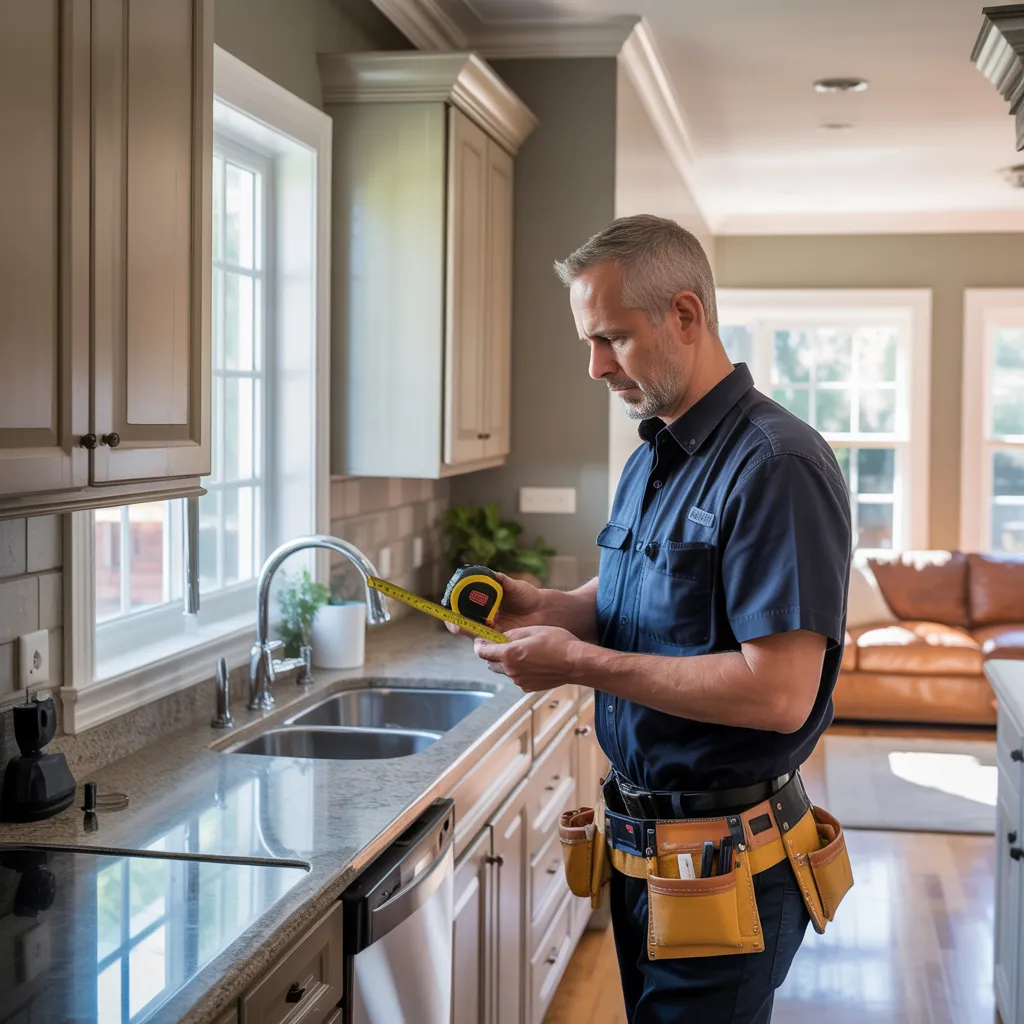
Selecting the appropriate general contractor for your home renovation is a critical decision. This requires careful consideration of multiple elements, including experience, qualifications, and communication skills. Many homeowners overlook important details, leading to expensive errors. Understanding how to assess potential contractors can make a significant difference. By concentrating on essential criteria and asking the right questions, one can manage this intricate undertaking more effectively. What are the key steps to ensure a productive collaboration?
Techniques for Sidestepping Typical Mistakes When Selecting a Professional
When choosing a general contractor, how might one handle the wide range of selections without falling into common traps? Prospective clients often miss key details that can cause poor results. First, relying solely on price can be misleading; the lowest bid may imply subpar quality or hidden costs. Additionally, failing to look at references or feedback online can result in employing a contractor with negative feedback. It is also essential to avoid making decisions based on charisma alone; a charismatic contractor may not hold the essential qualifications or consistency. Moreover, ignoring clear dialogue and requirements can lead to misunderstandings and dissatisfaction. Finally, not reviewing contracts thoroughly before signing can result in unforeseen duties or inadequate security. By being alert and educated, homeowners can make better choices, ultimately resulting in a positive outcome.
What to Look For in a Contractor's Experience
When reviewing a contractor's background, several key factors prove important. Applicable work history, professional credentials, and an comprehensive collection of finished projects serve as critical indicators of their capabilities. Analyzing these elements can deliver useful understanding into the contractor's appropriateness for the specific project at hand.
Pertinent Work Experience
Comprehending a contractor's relevant project experience is crucial for ensuring the success of any construction endeavor. Prospective clients should assess the contractor's body of work, focusing on completed projects similar in scope and style to their own. This involves reviewing the quality of workmanship, adherence to timelines, and cost control in previous undertakings. Additionally, it is advantageous to inquire about the kinds of substances used and the contractor's familiarity with local building codes and standards. Testimonials and references from past clients can shed light on the contractor's dependability and communication skills. In the end, a contractor with substantial relevant experience can handle difficulties effectively, guaranteeing the undertaking satisfies the homeowner's expectations and standards.
Industry Certifications And Licenses
Certification and licensing serve as essential indicators of a contractor's expertise and skills in the construction industry. When selecting a general contractor, it is vital to ensure they have the necessary licenses mandated by local and state regulations. Such licenses demonstrate compliance with building codes and safety standards. Furthermore, industry certifications, like those from the National Association of Home Builders or other related organizations, signify a contractor's dedication to quality and continuous education. Specialists with particular certifications may also possess expertise in specific fields, such as green building or remodeling. Verifying that a contractor holds the proper credentials not only increases confidence in their capabilities but also reduces potential legal and financial risks during the project.
Collection Of Finished Projects
A tradesperson's portfolio containing executed assignments is an important means for assessing their skill and abilities. This set should feature a range of assignments, illustrating adaptability in different styles and levels of complexity. When checking a portfolio, possible buyers ought to find high-quality images that clearly show the skill involved. It is beneficial to find jobs that match the homeowner's unique demands or visual inclinations. Meticulousness, new methods, and meeting deadlines are key signs of a contractor’s skill. In addition, user endorsements or success stories contained in the portfolio can provide enhanced perspective into the contractor's dedication and trustworthiness. Ultimately, a comprehensive portfolio assists homeowners to select carefully about their pending assignments.
Ways to check Your Contractor's Credentials and Licenses
Before employing a general contractor, it is crucial to confirm their qualifications and certifications to confirm they satisfy industry standards. Begin by verifying with municipal licensing authorities to confirm that the contractor possesses the necessary licenses for your area and project type. Each state has its own requirements, so learning about them can avoid subsequent issues.
Furthermore, inquire about insurance coverage, encompassing liability and workers' compensation, to secure protection against potential accidents or damages. Request references from previous clients and touch base to gauge satisfaction and reliability.
Finally, review any certifications the contractor may possess, as these often indicate technical expertise and adherence to industry best practices. A comprehensive evaluation process not only assures adherence but also builds confidence in the contractor's ability to complete the project successfully.
Why Effective Communication Is Important in Your Contractor Relationship
Effective dialogue plays a pivotal role in the contractor-client relationship, determining the project's success from the beginning. Clear dialogue establishes expectations, timelines, and budgets, guaranteeing both parties are in agreement on the project's goals. When clients express their vision effectively, contractors can provide informed recommendations and see the details solutions, improving the overall outcome.
Ongoing information sharing and responsive communication channels enable quick resolution of issues as they arise, preventing potential delays. Additionally, a contractor who listens and addresses client feedback strengthens trust, which is essential for collaboration.
In addition, productive communication helps in addressing changes and unexpected challenges, keeping the project on track. It permits the contractor to revise strategies based on client feedback, guaranteeing contentment during the process. Finally, prioritizing communication not only solidifies the contractor-client bond but also greatly contributes to the successful accomplishment of the home project.
Fundamental Questions to Present to Your Contractor in Initial Meetings
When meeting with a contractor initially, clients should prioritize understanding their experience and qualifications. It's essential to ask regarding the project timeline and budget to ensure alignment with the client's expectations. These questions form a foundation for a successful partnership and effective project management.
Experience and Competencies
Selecting a general contractor relies on understanding their background and credentials. Homeowners should ask about the contractor's industry experience and the types of projects they have completed. Detailed inquiries regarding licenses, certifications, and coverage are crucial, as these guarantee adherence to local laws and offer protection throughout the project. Additionally, reviewing past work through portfolios or recommendations can give a glimpse of the contractor's craftsmanship and reliability. It is also beneficial to question them on their experience in similar projects, as this can indicate their capability to handle specific challenges. Ultimately, evaluating a contractor's experience and qualifications fosters confidence and helps homeowners make informed decisions about their home projects.
Project Timetable and Budget
How can homeowners guarantee their project remains on schedule in terms of budget and time when meeting with a general contractor? To maintain alignment, they should pose significant questions during first consultations. Homeowners must ask regarding the estimated timeline for project completion and any possible setbacks that could occur. Understanding the contractor's approach to schedule management is essential. Moreover, talking about the budget at the start is vital; homeowners should obtain clarification on pricing quotes, payment schedules, and any built-in reserves for unforeseen expenses. Asking about previous projects can offer understanding into the contractor's dependability in meeting deadlines and staying within budget. By creating transparent dialogue regarding timelines and finances, homeowners can build a strong partnership with their contractor, enhancing the chances of a successful project.
Tips for Verifying References and Reading Reviews
What measures should one take to ensure a general contractor is reliable? First, it is crucial to request a list of references from potential contractors. A reputable contractor will readily supply names and contact information of previous clients. One should contact these references to question regarding their experiences, concentrating on aspects such as communication, quality of work, and adherence to timelines.
Moreover, reviewing online opinions on channels like Google, Yelp, or Angie's List can offer meaningful understanding. It is important to look for consistencies in the feedback—uniform praise or disapproval can point to dependability or conceivable drawbacks.
Furthermore, examining any complaints filed with local licensing boards or consumer protection agencies can uncover a contractor's history. Finally, requesting recent project photos can help assess the quality of their craftsmanship. By taking these steps, one can make a more informed decision when selecting a general contractor.
Comprehending Independent Provider Charges and Payment Requirements
Homeowners must become aware of regular payment terms. Most contractors necessitate a deposit initially, including progress payments dependent on project milestones. It's critical to determine these terms before finalizing a contract to avoid misunderstandings. Besides, homeowners should investigate potential unforeseen costs, such as permits or unexpected work. Effective communication regarding costs and financial arrangements will help strengthen a transparent working relationship, finally creating a victorious project outcome. Recognizing these elements equips homeowners to choose more wisely when appointing a general contractor.
Regularly Requested Questions
What Is the Timeline for Finishing the Project?
Project timeline typically varies based on complexity and scope. Typically, it may take several weeks to months. Elements including weather, availability of materials, and labor resources can greatly influence the project completion schedule.
What Takes Place if Surprise Challenges Arise During Development?
If unforeseen issues occur during the building, the contractor usually assesses the situation, communicates with the homeowner, and proposes solutions. Modifications to the timeline and spending may be necessary, ensuring transparency throughout the process.
Will My Project Necessitate Permits or Examinations?
Most assignments call for inspections and permits to ensure adherence with local building codes. It is critical to consult with a construction professional who understands these requirements, as they can handle the permit procedures efficiently.
How Do You Administer Subcontractors and Their Payment Arrangements?
A renowned general contractor conducts subcontractors by instituting unambiguous agreements outlining payment terms. They guarantee timely payments, establish honest communication, and review subcontractor standards, encouraging a cooperative workplace that benefits project completion and optimization.
How Do You Address Project Changes or Upgrades?
The contractor adopts a flexible approach to project changes, demanding written documentation for any improvements. They ensure clear communication, evaluate cost implications, and modify schedules accordingly to accommodate the client's changing requirements and desires.